There are different forms of governance and transformation processes all over the world. The fact that every private company in the current global economy represents a form of kingdom proves that a true republican regime has yet to be established.
Within the nature that moves as a whole, communities with different beliefs and purposes emerged. The steps that led to crossroads resulted in outcomes that were often similar. Some discoveries regarding the perception of power were divine, while others stemmed from the misuse of nature's offerings.
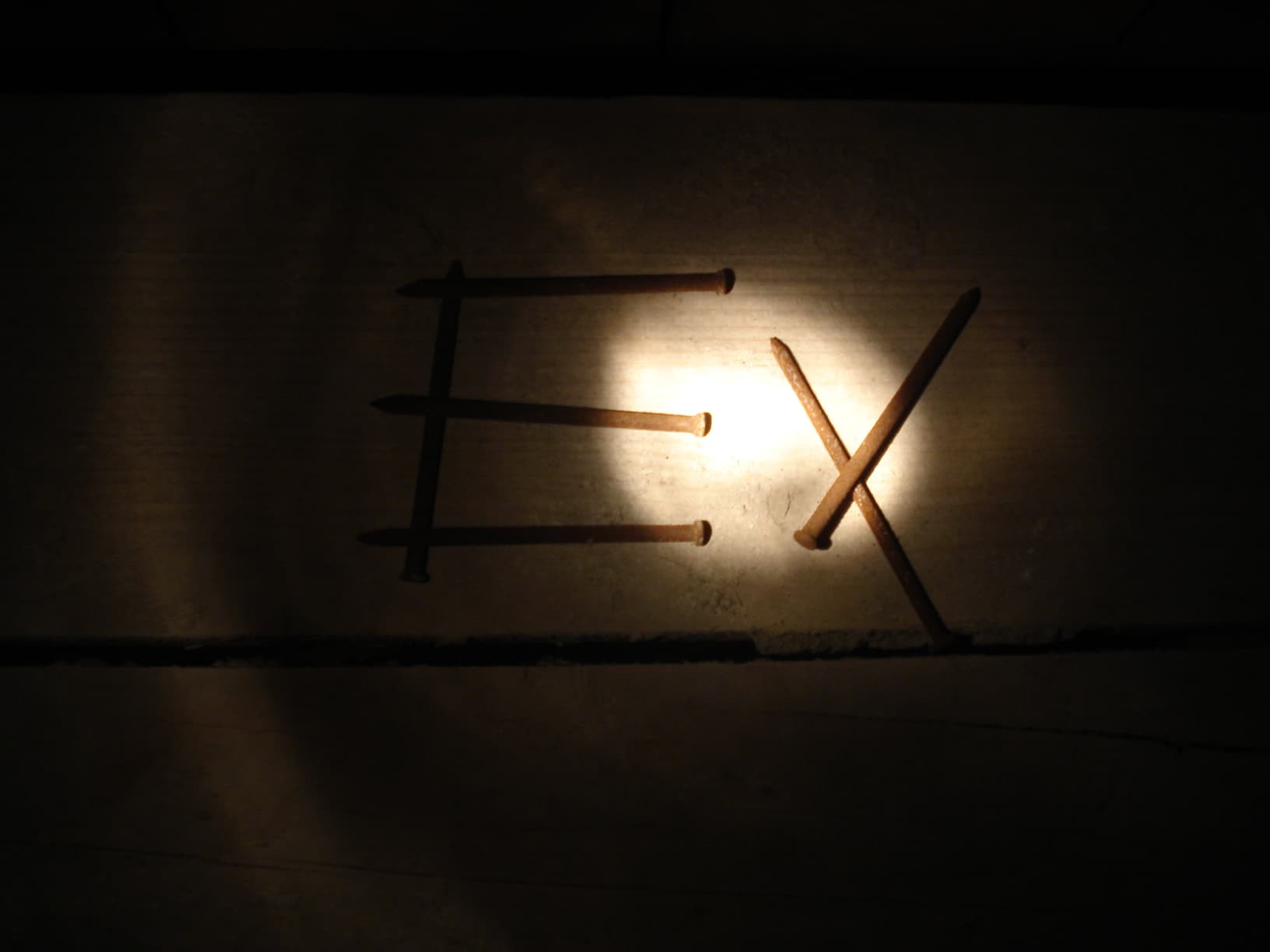
EX with rusted nails, like 'one nail drives out another.'
Every choice in nature is fundamentally connected to a divine force. Nevertheless, most centralized governments appoint their own leaders. To maintain balance in nature, some leaders can open the way for better choices through divine support. Exceptional mystical (natural) cases occur when negative aspects within governance systems cannot find a positive resolution.
Every being in nature exists for the equal use of all living things. Cycles of natural disasters and diseases repeat to restore balance in power perceptions. Leaders who take responsibility earn more respect and, over time, attempt to sustain their existence through what nature has offered. In reality, all living beings share equal responsibility.
Forms of Governance and Transformation Processes
Monarchy: Leadership within the core family remains concentrated in a single ruler as the family grows over time. It is a form of governance that prevents better choices and the mental development of society. Traditional behaviors are displayed to maintain the leader's perceived importance, as negative actions carried out by leaders are intended to remain unknown or misunderstood. It leads to more chaos and conflict; diseases and natural disasters occur more frequently.
Oligarchy: When the necessary balance within a monarchy cannot be maintained, oppressed groups eventually appoint their own leaders. As a result of these groups' pursuit of rights, the number of stakeholders around resources increases. The respect attributed to monarchic leaders transforms into protection of reputations among different groups. Similar chaos and conflicts continue within the management of these groups.
Theocracy: Political governance is essentially a monarchy or an oligarchy, just continued through divine interpretations.
Republic/Democracy, which is not yet practically implemented in any country, is a form of government where sovereignty belongs to the people and is closest to the balance (justice) in nature.
Private Company Structures and Marketing Tricks
All countries that seem democratic today are oligarchic systems formed after the fall of monarchies. To maintain balance in nature, leaders in different groups change or new groups emerge. No country yet exists where resources and opportunities are shared equally. Therefore, a truly democratic country has not been established yet.
Different strategies are developed based on various beliefs to conceal the fact that a country's money belongs to all its citizens. After past monarchies collapsed, resources were transferred to certain groups and new companies were established. In modern republic governance systems, political decisions appear to be made through political parties, while economic sanctions continue to be distributed across different companies.
Different sectors include distracting elements to divert attention from the main focus. Each company or group is expected to appoint its own leader. Therefore, every community essentially represents an organ of the oligarchic system. Economic conflicts between companies keep society occupied. Issues that must be debated and developed politically are divided into organizations such as associations or foundations, keeping citizens away from looking for their rights in politics (government).
There is always a global economic system. Major companies in any country maintain strategic relationships with other countries. Conscious wars instigated by kingdoms, past and present, are only one of the tricks used to eliminate domestic rivals. After wars, resource allocations continue in various and similar ways. Some rulers fail and are forced to transfer governance to other kingdoms.
Current political understanding embraces traditional (monarchy/oligarchy) management approach of governments. Corporations in each country have an economic share in that country's governance and divide (abuse) the citizens between each other. Therefore, all current wars are essentially waged through corporations, but citizens are deceived (waste time) through military or moral sentiments.
Each company in the current system actually represents a kingdom of different scale within the global oligarchy.
The subsistence struggles of different groups continue under the control of various kingdoms. Conflicts between companies have negative effects on society. Similar to primitive reputation protection methods from the monarchical era, the general sovereignty and health of society are suppressed to protect the reputations of companies and groups. Since each company and group structurally belongs to an oligarchic system, they feel compelled to share similar concerns about reputation. This forms a deeply insidious marketing strategy at the foundation level.
You can observe the oligarchic structure of the current system in any society, from its smallest building block to its largest. To better understand the term Modern Kingdoms, we can think about examples from everyday life:
An orphaned child grows up in a government-run orphanage and, after being subjected to mistreatment, cannot find a solution in the places where they can file complaints. They cannot find another place to go, or they encounter similar practices when they do.
When the development of children in a family is hindered by their parents, the children who have no freedom of choice face problems both within the family and in their environments. Leaving the home or submitting to the decisions made within the household are presented as the most reasonable solutions.
When a manager of a company commits an unfair action, they may defend their authority by claiming the company belongs to them and consider it their right not to apply the same decisions to themselves that they impose on employees. Since employees have no option to change the management, leaving the company is presented as the most reasonable solution. Some employees who had no choice in these unfair management decisions may establish their own companies after resigning, yet they continue within the same management model.
Employees who do not have the opportunity to start a company, or do not wish to, remain silent in companies where similar policies are applied. Ignoring the situation of other employees, they focus only on their own livelihood struggles. Within the current system, where excuses such as the "free market" or "these are the conditions" are used to justify economic hardship, they are essentially left on their own. Most people are trapped in monthly spending (consumption) cycles such as rent, food, clothing, and entertainment.
People who must obtain investment in order to start a company face obstacles created by those who control capital. The entire revenue model of those who receive investment becomes shaped by the initiatives or restrictions of the investors. As a result, people who believe they are their own bosses are in fact continuing the same management model in a smaller business while being employees of investors. Unfortunately, those managers (bosses) who are not financially dependent on anyone continue to make the mistake of acting like gods against citizens.
People who manage to start a company often cannot access the luck (opportunities) needed to compete in the market due to restrictions imposed by those who control capital. After a certain period, they are forced either to close the company or to submit to a cycle that only covers their monthly expenses. While it may be relatively easy to overcome the restrictions that are visible, growing any company or competing becomes almost impossible within the current system where illegal practices are widespread.
Citizens who cannot find any job or investor may try to resolve their livelihood problems through illegal means. Within the current system, where the entire governance model is essentially illegal, I am not sure who is actually guilty.
The global system appears to operate on a free market model, but our bodies and choices are not free. We are deceived by investments wasted in monthly spending cycles, deprived of our natural rights such as shelter, clothing, and food. Those who are aware of their rights and seek solutions face financial and emotional difficulties due to the illegal policies of corporations. Read this article for more details about the illegal corporate activities that societies are not yet aware of: The Scamming Case of Big Tech Companies!
All of the actions described in the examples above are intertwined and ultimately affect the well-being of all citizens within the current system. In practice, the current legal system does not offer a permanent solution to any of the examples mentioned above. Because all legal processes are costly, many people who lack the necessary resources experience similar cycles repeatedly and struggle to find work or solutions. It can clearly be seen that the current system in which the market is free but citizens’ rights are close to slavery is not a democracy.
All the grievances of citizens come from the fundamental economic injustice that has existed since the founding of every country. Due to traditional policy approaches, people who target corporations and the wealthy are portrayed as enemies of that country. For example, someone who sees Apple as an enemy because it is a large criminal company might be portrayed as an enemy of the USA. In reality, all large corporations share economic wealth and also all the crimes because they have a global economy network.
The wealthiest people in any country are the ones who commit/operate the most crimes. This is becoming obvious when their companies and structures are examined. The fact that these people can still have a voice, give education, present awards, build companies or make investments is a shared shame for all of humanity. Staying silent about this situation continues to harm the health (well-being) of all societies and nature.
There is not a real concept of "we" in practice. In the current system, it is a lie for a president to say "we" when speaking about citizens. A manager saying "we" is also a lie. A commander saying "we" is too... Because citizens do not have the same rights and equality where they assume they belong. In the realities of nature, we can only reach a real and sincere "we" by distributing freedom equally to everyone. Until then, we will be lying to each other if we don't mean everyone on Earth by "we" and nature will keep balancing us.
Within the New Politics approach, it is essential that all citizens achieve a lifestyle in accordance with the principles of equality and freedom in nature.
Beggary
While the entire universe is a shared gift given to all living beings, concepts like rich and poor invented the begging. To enslave or treat any living being as a slave goes against the sanctity of life, which is The God's sacred. Therefore, any text (law, alms, charity, etc.) that attempts to explain how a slave should be treated reflects a perspective contrary to the laws of nature. All laws or rules that do not advocate equality are unjust and temporary interpretations established by the rulers of that era.
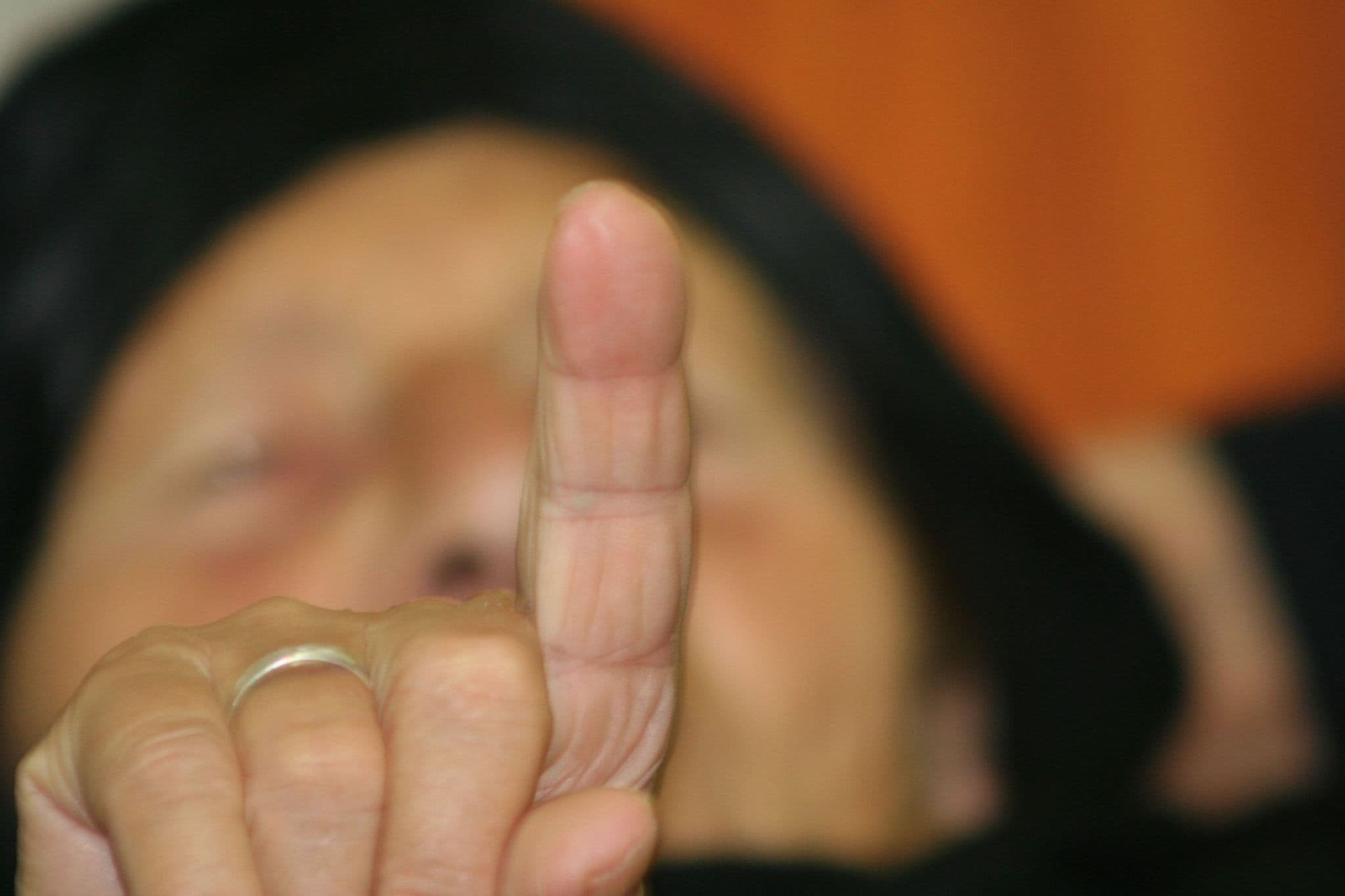
A moment during a car journey when I made eye contact with a dog that crossed my path.
Begging is defined in the dictionary as asking for alms. The dictionary meaning of alms is: “Money, goods, etc., given to the needy or poor without expecting anything in return.”
All the actions and/or decisions we take fundamentally based on our feelings. Wanting to give money is a feeling; the emotion we experience after giving money is also a cluster of feelings. We buy any product because it appeals to our emotions. Depending on time and place, our emotions manifest within us in different forms such as hunger, good appearance, happiness, peace, sadness, or pleasure. The entire current system we live in is the product of deception layered upon our emotions.
People choose certain beggars to help from whom they believe they can derive a good feeling or who will evoke a positive emotion within them. In fact, there is always an invisible return, but it is scattered within our emotions. When a beggar who has been helped goes home, we do not see the pain they experience; because we do not feel it, we are not concerned with a permanent solution. Thus, giving momentary (temporary) help to a beggar is essentially a selfish act. That is why the act of begging continues in different individuals or places.
When you think about the issue more deeply, you can understand that any marketing strategy is also performed through emotions. When you see any social media advertisement or a poster on the street, you notice their effort to appeal to your feelings through design. In fact, hidden within every product advertisement is this subtext: “please choose us.” If you do not shop or attend an advertised concert, that company may close or that artist may become unemployed. A newly established company or an artist trying to become known is, in every attempt to be heard, actually performing a modern act of begging. Therefore, starting a business does not mean you have escaped begging; you simply call yourself "professional" at it.
Every politician, while asking for votes, performs an act of begging with ornate words. Consequently, the biggest beggars are politicians, because the return is equivalent to controlling the entire country's money. In order for this reality not to be contemplated, our emotions are constantly manipulated. In fact, every political party is an organized begging crew. Since every political party that comes to power establishes its own bourgeoisie, parties that appear to be rivals actually continue their business transactions (sometimes behind closed doors). Meanwhile, citizens are subjected to a grand distraction, as if something changes. Exceptions, unfortunately, fail or caused to fail to organize themselves.
Parents who believe they are doing good by doing everything for their own children ignore the sadness of others’ children. So some children continue their lives as beggars. The majority of people who think they defend certain emotions for the sake of common values prefer to choose their own environments. Within this reality, you can guess how sincere the country you live in truly is. It is essential that the education which deceives our parents’ emotions be reinterpreted in every mind.
I beg for a future where we can live in countries whose governance is truly democratic and far from frauds. 🌍